
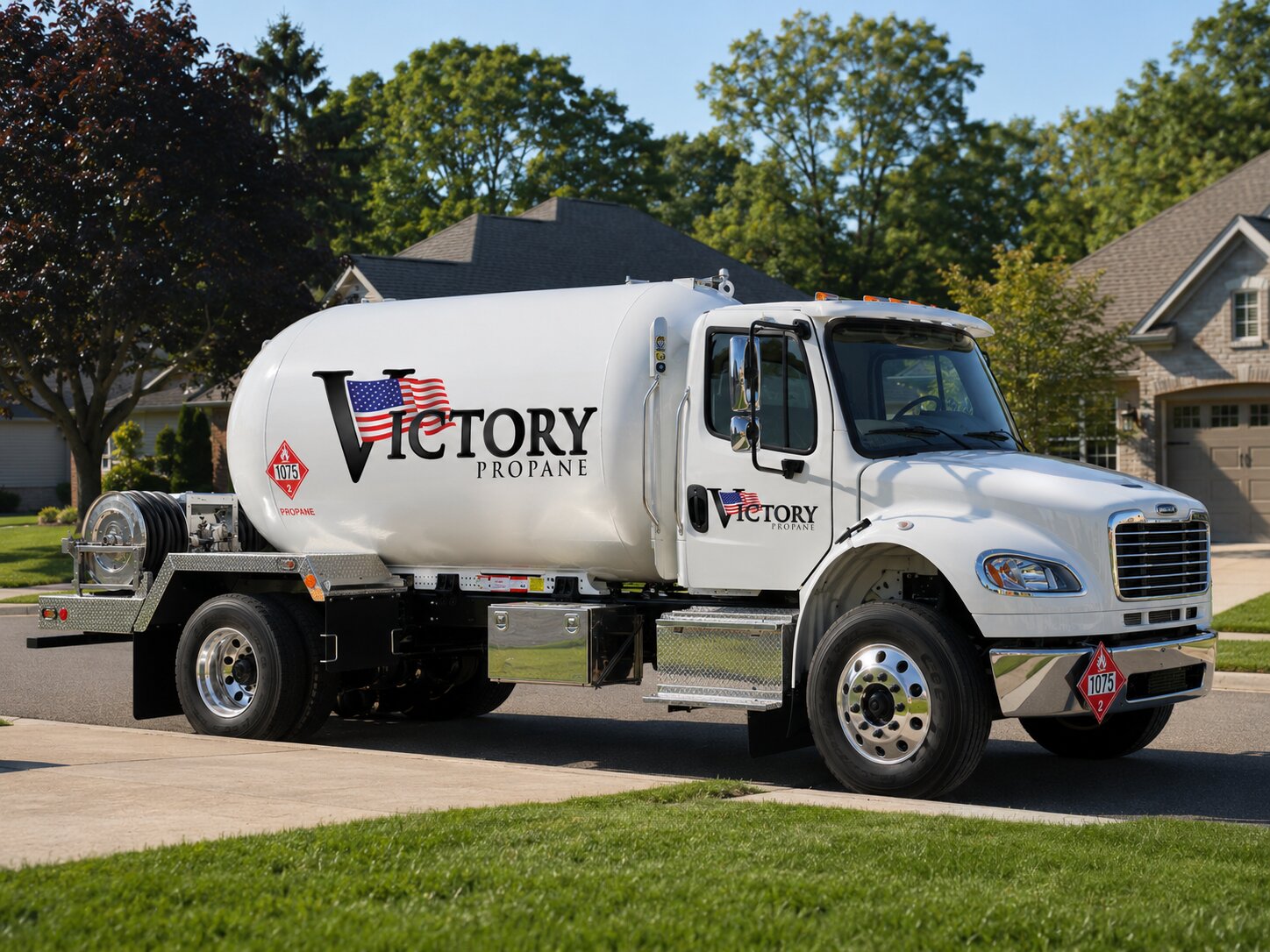
Propane Safety Tips
Essential safety practices for residential and commercial propane customers.
Key Safety Points
Proper Storage
Always store tanks upright in a ventilated outdoor area away from heat sources.
Leak Detection
Know the smell. Propane has an added odorant. If detected, evacuate and call 911.
Safe Lighting
Follow appliance manufacturer instructions when lighting pilots or burners.
Emergency Shutoff
Know where your main shutoff valve is and how to operate it safely.
Propane Safety for Your Home and Business
Victory Propane provides residential and commercial propane services throughout northern and central Ohio. Our customers are our neighbors, and we treat them as such, with fast, friendly service, flexible options, and the safest operations in the industry.
Below are important safety guidelines to help you use, store, and handle propane safely.
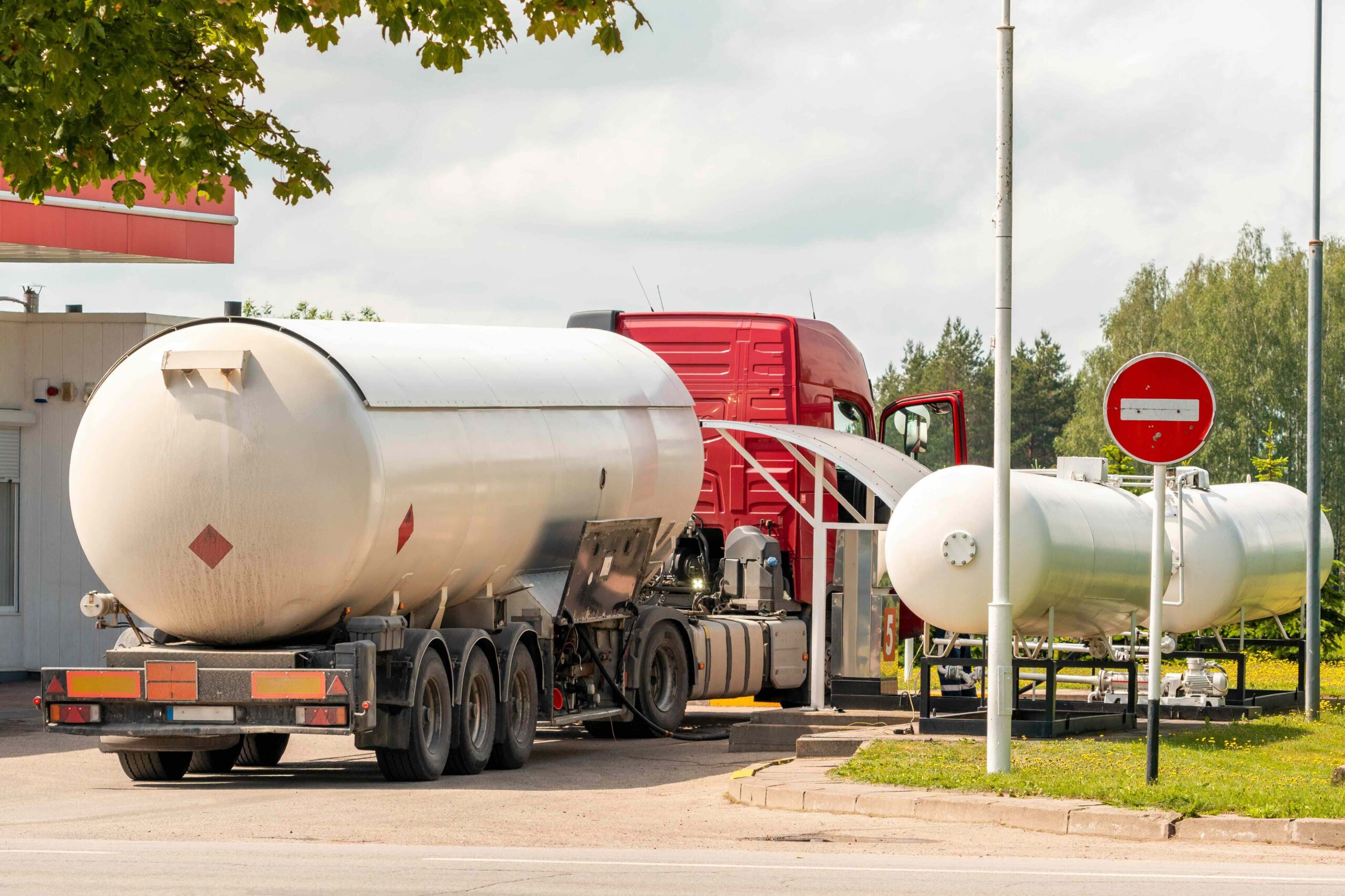
Reading Your Propane Tank Gauge
Propane tanks are considered full when the gauge reads 80% (the empty 20% allows for propane vapor expansion). If the gauge reads below 20%, contact us right away at (Local Store Number) for delivery.
Our Team in the Field
Browse photos of our delivery fleet, installations, and crew.
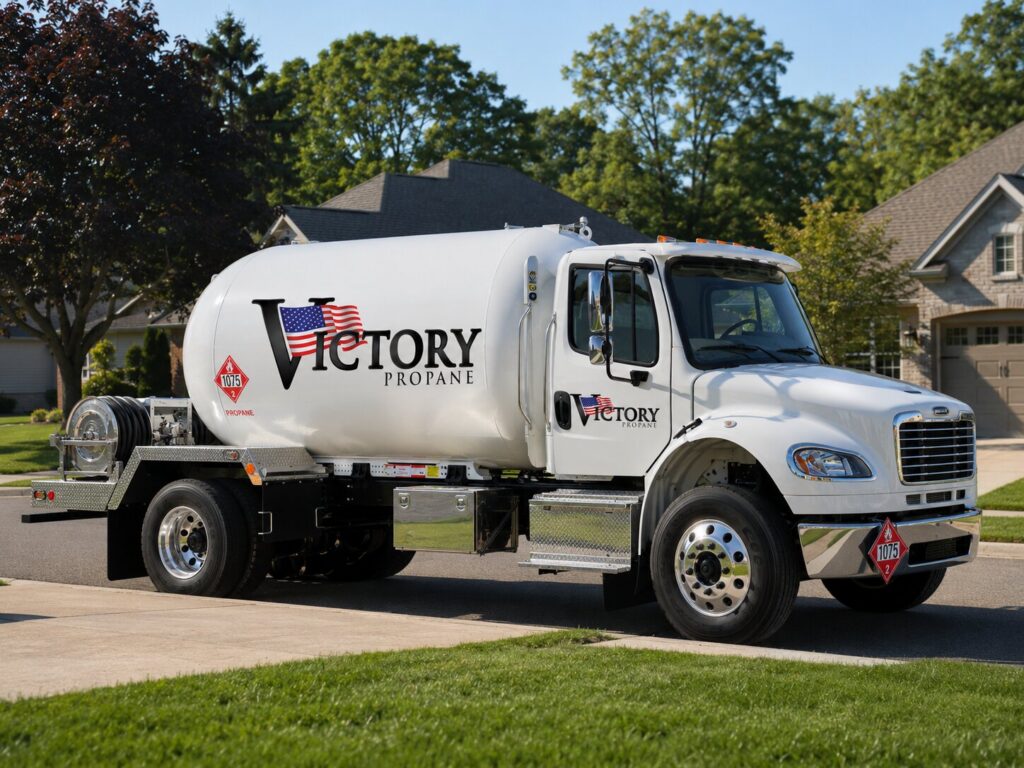 Delivery Fleet
Safety by Customer Type
Safety Tips for Homeowners
Your propane tank should be inspected annually by a certified technician. Keep the area around your tank clear of debris, and ensure proper ventilation for all indoor appliances.
- Test carbon monoxide detectors monthly
- Keep a 10-foot clearance around the tank
- Never run a gas appliance that has been submerged in water
- Know how to shut off your main valve
Safety Tips for Businesses
Commercial propane systems require more frequent inspections due to higher usage volumes. Ensure all staff are trained in emergency shutdown procedures and that emergency numbers are posted visibly.
- Schedule quarterly system inspections
- Maintain a propane safety log on site
- Train all employees on emergency shutoff location
- Display emergency contact numbers at each appliance
Safety Tips for Small Cylinders
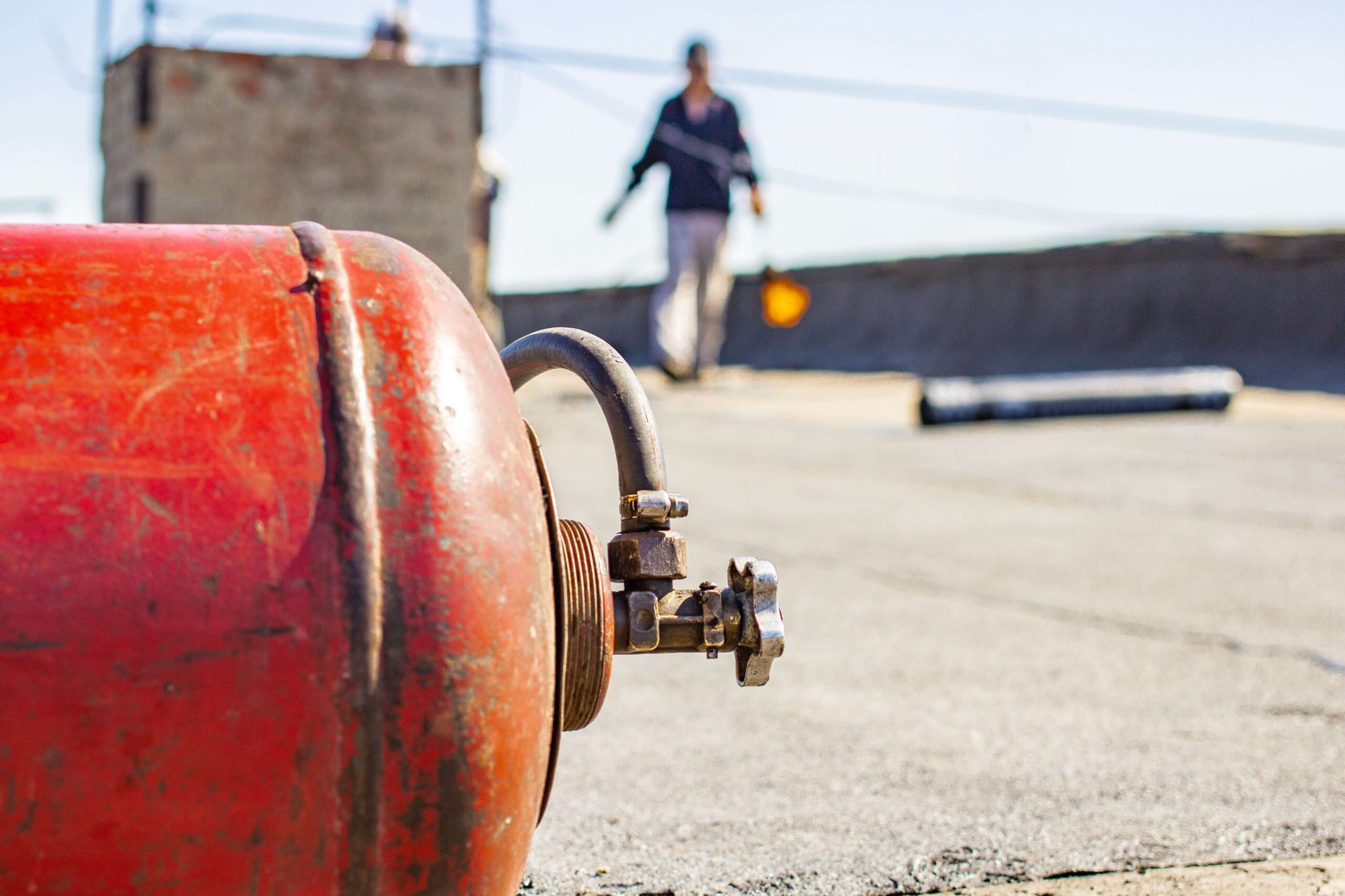
When filling portable cylinders, always ensure the valve is closed before and after filling. Never overfill. Propane expands with heat, and cylinders must have a vapor space.
- Do not smoke within 25 feet of fill station
- Turn off your vehicle engine during fill
- Never fill a cylinder that is damaged or out of certification
- Keep cylinders upright during transport
Handling and Transporting Small Cylinders
Always transport cylinders in an upright position and ensure they are secured during transport. Do not leave cylinders in hot vehicles. Check for rust, dents, or potential leaks before use
FAQs
Common Questions
Propane is naturally odorless. An odorant called ethyl mercaptan, which smells like rotten eggs or a skunk, is added to help detect leaks. If you smell this odor, evacuate immediately and call 911 from outside your home.
We recommend a professional inspection at least once per year for residential systems, and more frequently for commercial operations. Inspections cover all connections, regulators, hoses, and appliances.
If your tank runs out, do not attempt to relight appliances yourself. Call us to schedule a delivery and re-lighting service. Running out of gas can allow air and moisture into the system, which requires a pressure test before relighting.
No. Propane tanks should always be stored outdoors in an upright position. Never store tanks indoors, in garages, or in any enclosed space, even when tanks appear to be empty.
Most tank gauges show the percentage of propane remaining, not gallons. A reading of 20% or below means it’s time to schedule a delivery. We recommend calling when you reach 25% to ensure timely service.
GET IN TOUCH
Have a Safety Question? Reach Out.
Our team is happy to answer any propane safety questions.
Ready to Schedule a Safety Inspection?
Our certified technicians are available across all service areas. Most inspections completed same week.